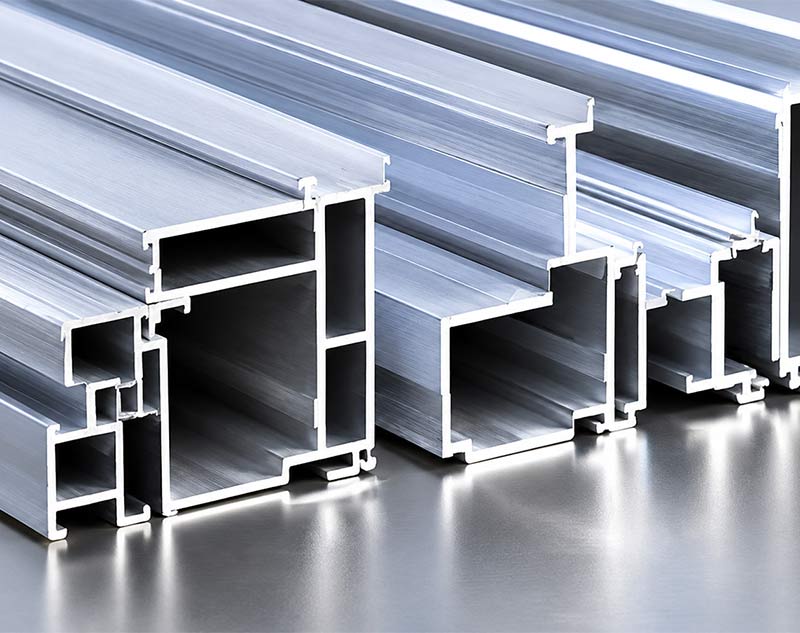
Walk past any coastal building or humid urban high-rise a few years after handover, and you can immediately spot where contractors cut corners on exterior metal work. Cheap steel brackets bleed ugly orange rust streaks down fresh plaster walls, while untreated iron frames swell, flake, and seize up after two monsoon seasons. Over at heavy industrial plants like Dhariwal Industries, metallurgists and extrusion crews treat architectural metal with rugged floor discipline, alloying raw billets to handle brutal weather without corroding. Working directly with seasoned Aluminium Products Manufacturers gives site engineers and builders clean, lightweight exterior components that shrug off rain, salt air, and blazing sun year after year. Every batch goes through strict chemical and surface audits on the plant floor before a single bundle leaves the dispatch bay.
How Natural Oxide Layers Beat Surface Rust Every Time
Unlike regular carbon steel that keeps flaking apart once moisture hits bare metal, aluminium reacts with open air to form a tight, invisible barrier that locks out deeper corrosion. Basic fabrication shops often buy recycled scrap ingots full of impurities, which causes weak spots and pitting when exposed to acidic city rain or coastal salt spray. True extrusion mills cast pure 6063 and 6061 architectural-grade billets where magnesium and silicon ratios stay tightly controlled for maximum structural strength and weather resistance.
Floor technicians run raw billets and extruded bars through tough physical checks before clearing them for architectural use:
- Optical emission spectrometers verify exact alloy chemistry so impurity levels stay near zero.
- Ultrasonic flaw detectors scan solid billets for hidden internal air pockets that could crack under wind load.
- Rockwell hardness testers confirm proper temper strength after controlled aging ovens bake the metal.
Shaping Custom Architectural Profiles on High-Pressure Presses
Getting window frames, curtain wall mullions, and exterior louvers to fit tight on site requires razor-sharp dimensional accuracy right at the extrusion press. When hydraulic rams push heated billets through custom tool-steel dies at massive tonnage, even a tiny temperature swing can warp wall thickness or leave rough drag lines along the metal face. Builders looking for complex structural shapes turn to experienced Aluminium Extrusion Profiles Manufacturers to get crisp, tight-tolerance channels and interlocking frames that snap together cleanly on high-rise facades. Skilled die-shop machinists polish and nitride every steel die cavity between runs so the emerging metal stays dead straight and smooth.
Anodizing and Powder Coating for Brutal Weather Protection
Even though bare aluminium naturally resists rust, harsh industrial pollution, mortar splashes during construction, and relentless UV rays can still dull an unprotected metal surface over time. Quality-obsessed finishing lines submerge extruded lengths into multi-stage chemical pretreatment tanks before applying thick architectural anodizing or baked polyester powder coats.
Here is how finishing crews lock down long-term surface durability across exterior metal runs:
- Chromate-free conversion baths etch the metal cleanly so powder coatings bond at the molecular level.
- Sulfuric acid anodizing tanks grow thick, hard oxide layers that resist scratching and coastal salt pitting.
- Salt-spray test chambers blast coated sample strips with corrosive mist for over a thousand hours to verify coating life.
Structural Sections That Carry Heavy Wind and Glass Loads
Modern building exteriors rely heavily on sleek glass facades, heavy sun-breakers, and ventilated cladding systems that take a serious beating during seasonal storms. Weak, thin-walled metal bars bend or vibrate loudly when high winds slam against wide window spans, leading to cracked glass seals and water leaks inside the building. Site contractors sourcing heavy load-bearing channels rely on dedicated Aluminium Extrusion Sections Manufacturers to deliver thick-walled structural bars, box tubes, and curtain-wall transoms engineered to handle massive wind-load deflection. Every structural profile is pulled straight on hydraulic stretchers right after cooling so installers never fight bowed or twisted lengths on scaffolding.
Cutting Maintenance Headaches and Lifecycle Costs on Site
Anyone who has managed commercial property maintenance knows that repainting rusted steel railings, louvers, and facade trims every three years eats away operating budgets fast. Switching to rust-free aluminium components cuts out recurring scraping, priming, and repainting cycles while keeping building exteriors looking sharp for decades. Partnering with reliable Aluminium Products Manufacturers lets contractors hand over finished projects with lower long-term maintenance bills and zero callback headaches over corroded trims. Because aluminium weighs roughly a third as much as steel, site crews also lift and bolt frames into place faster without needing heavy cranes on every floor.
Bundling, Interleaving, and Shipping Scratch-Free Lengths
Pushing thousands of long, freshly anodized or powder-coated metal lengths from the mill to busy construction sites without scratching the finish takes serious floor discipline at the packing tables. Major production hubs like Dhariwal Industries wrap every finished length with protective peel-off film and kraft paper interleaving before strapping tight wooden-crated bundles for flatbed transport.
Here is a quick look at the final checks every exterior metal shipment clears before leaving the loading bay:
- Coating-thickness gauges scan multiple points along every bar to confirm uniform micron coverage.
- Straightness and twist tables check long profiles against strict architectural tolerances before film wrapping.
- Heavy-duty timber bracing and waterproof poly-wraps protect long bundles from road grime and transit dents.